
Hospital signage is critical for patient safety, navigation, compliance, and brand identity. Here are the main types of hospital signage used in healthcare facilities:
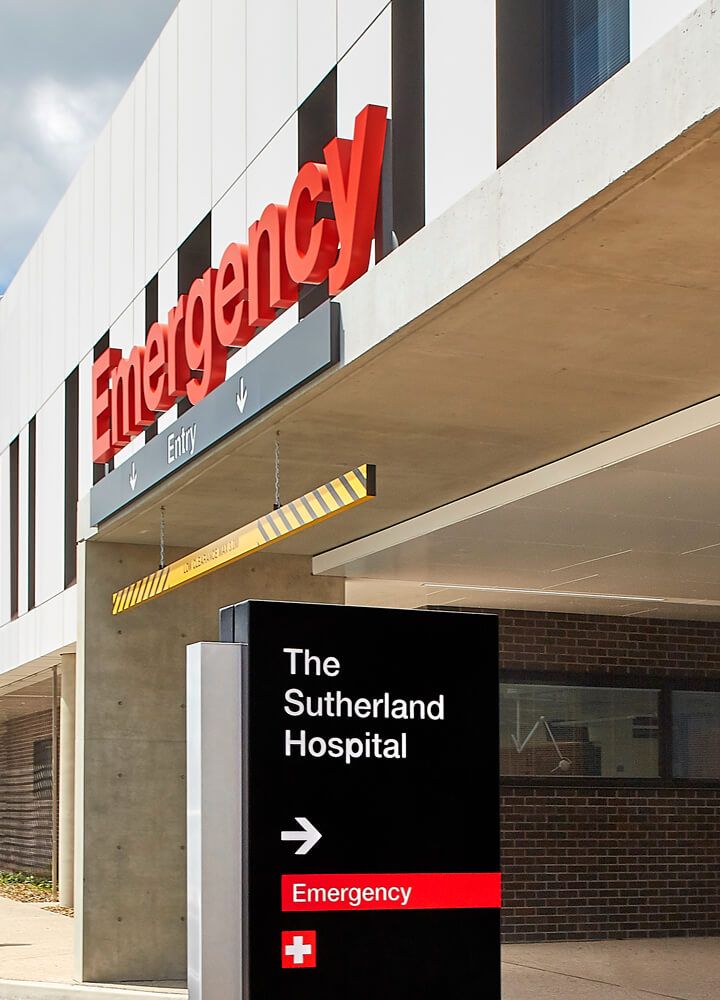
1️⃣ Wayfinding & Directional Signage
Helps patients and visitors move easily around the hospital.
- Directional arrows
- Floor directories
- Department location signs
- Parking guidance signs
- Reception signs
👉 Example: “Radiology →”, “ICU – 2nd Floor”
2️⃣ Identification Signage
Identifies specific rooms or areas.
- Room numbers
- Doctor’s office name plates
- Department names (e.g., Laboratory, Pharmacy)
- Ward identification boards
3️⃣ Regulatory & Compliance Signage
Required for legal and safety standards.
- Fire exit signs
- No smoking signs
- Emergency exit signs
- Hazard warnings
- Biohazard signs
These must comply with health and safety regulations.
4️⃣ Safety & Warning Signage
Protects patients, staff, and visitors.
- Wet floor signs
- Radiation warning signs
- Authorized personnel only
- Infection control notices
5️⃣ Informational Signage
Provides helpful information.
- Visiting hours
- Patient rights
- Health awareness posters
- COVID-19 or hygiene notices
6️⃣ ADA / Accessible Signage
Ensures accessibility for people with disabilities.
- Braille signs
- Tactile lettering
- Wheelchair access signs
- Elevator signs
7️⃣ Digital Signage
Modern hospitals use digital displays for:
- Queue management systems
- Appointment announcements
- Health education content
- Emergency alerts
8️⃣ Exterior Hospital Signage
Outdoor signs for visibility and branding.
- Main hospital name signage
- Pylon signs
- Emergency entrance signs
- Parking signs
- Illuminated LED signs
9️⃣ Branding & Environmental Graphics
Enhances hospital environment and brand.
- Wall graphics
- Motivational quotes
- Department color-coded systems
- Reception backdrop signage
🔑 Why Hospital Signage Is Important
✔ Improves patient experience
✔ Reduces confusion and stress
✔ Enhances safety
✔ Ensures legal compliance
✔ Strengthens hospital brand identity