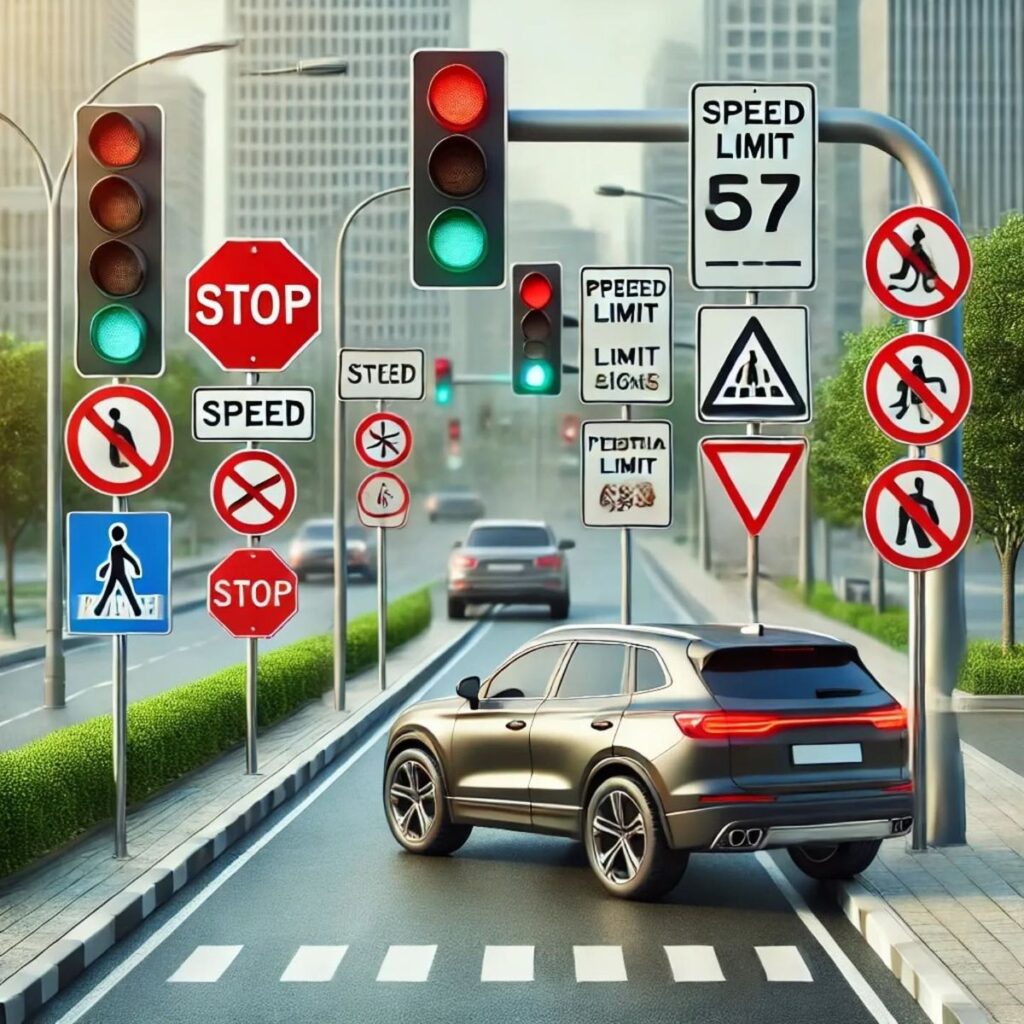
Road signs are essential elements of modern transportation systems. They help drivers, pedestrians, and cyclists navigate roads safely and efficiently. By providing clear instructions, warnings, and information, road signs reduce accidents and ensure smooth traffic flow.
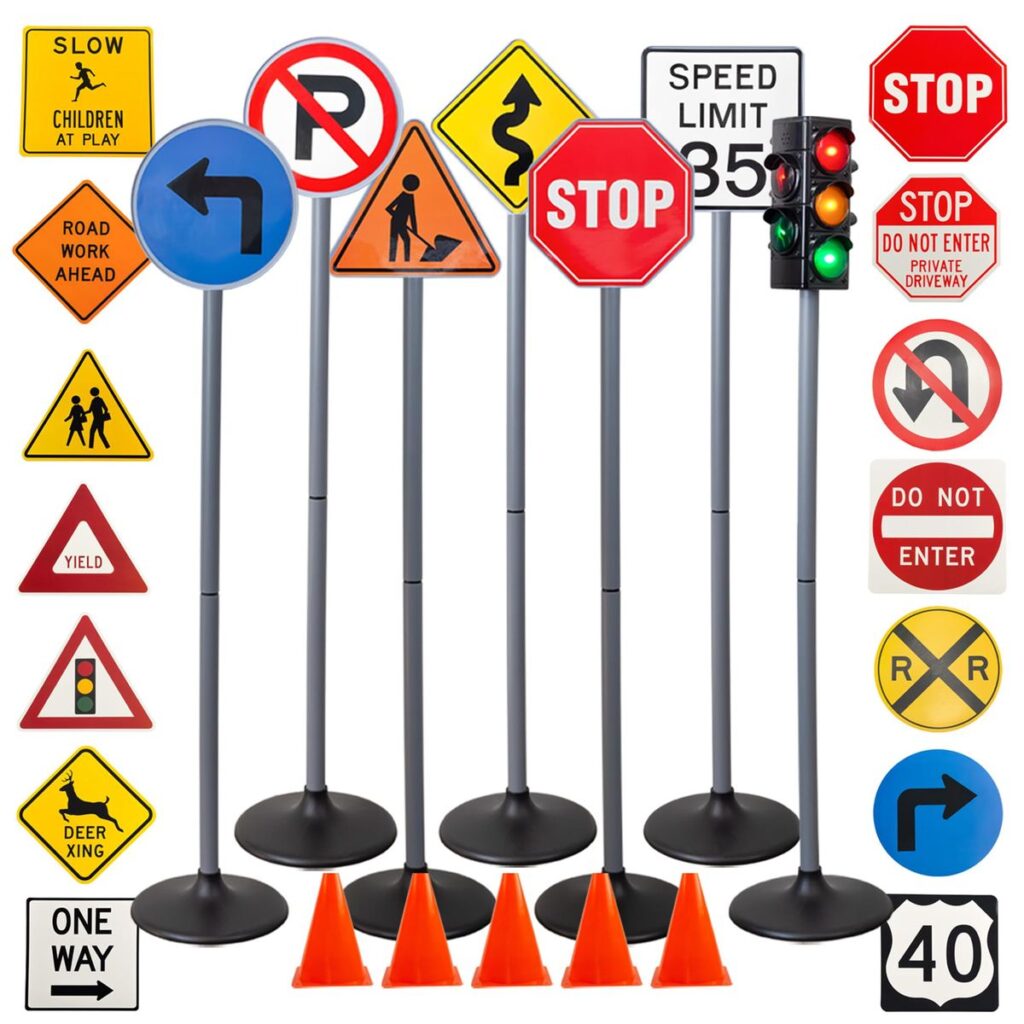
1. What Are Road Signs?
Road signs are visual symbols placed along roads to communicate important information to road users. They use shapes, colors, and symbols that can be quickly recognized, even from a distance.
Their main purpose is to:
- Improve road safety
- Guide drivers and pedestrians
- Provide traffic regulations
- Warn about potential hazards
2. Types of Road Signs
1. Regulatory Signs
Regulatory signs tell road users what they must or must not do. They enforce traffic laws and regulations.
Examples include:
- Stop signs
- No entry signs
- Speed limit signs
- No parking signs
These signs are usually red, white, and black.
2. Warning Signs
Warning signs alert drivers about possible dangers or changes in road conditions ahead.
Common warning signs include:
- Sharp bend ahead
- Slippery road
- Pedestrian crossing
- School zone
They are typically yellow with black symbols.
3. Informational Signs
Informational signs provide helpful information about services, locations, or facilities nearby.
Examples include:
- Hospital signs
- Fuel station signs
- Parking areas
- Rest areas
These signs are often blue or green.
4. Importance of Road Signs
Road signs play a critical role in transportation systems by:
Improving Safety
They warn drivers about hazards and regulate traffic behavior.
Providing Direction
They guide travelers to destinations, highways, and important facilities.
Reducing Traffic Confusion
Clear signs help prevent misunderstandings on busy roads.
Supporting Law Enforcement
They communicate traffic laws that drivers must follow.
5. Key Features of Effective Road Signs
Good road signs should have:
- High visibility (reflective materials for night driving)
- Clear symbols and text
- Durable materials to withstand weather
- Proper placement for maximum visibility
6. Road Signs in Urban Areas
In busy cities like Nairobi, road signs are especially important because of heavy traffic and pedestrian movement. Clear signage helps control traffic flow, guide visitors, and reduce road accidents.
7. Conclusion
Road signs are a vital part of road safety and traffic management. They provide guidance, warnings, and regulations that help keep roads organized and safe for everyone. Understanding and obeying road signs is essential for every road user.